
Seven months of cooling, mild winters, and rising gas prices: Bee Cave is close to ideal heat-pump territory. Get a straight quote from a licensed local installer — and see the tax-credit math while you're at it.
Two minutes now beats waiting on hold. No obligation.
A licensed local pro will reach out shortly. Keep an eye on your phone and email.
A heat pump is an air conditioner that runs in both directions. In summer it cools identically to a standard AC. In winter it reverses, moving heat instead of generating it — at two to three times the efficiency of electric resistance heat. In a climate that cools seven months and barely heats three, that trade is heavily in your favor.
The options: standard ducted heat pumps as the straight replacement path; dual-fuel setups that keep a gas furnace for the rare hard freeze while the heat pump handles 95% of the season; and mini-splits for casitas, garage gyms, and bonus rooms the main system never cooled properly.
The honest tradeoff: below roughly freezing, output drops and backup heat picks up the slack. That's a sizing-and-configuration question your installer solves up front — not a reason to skip the technology.
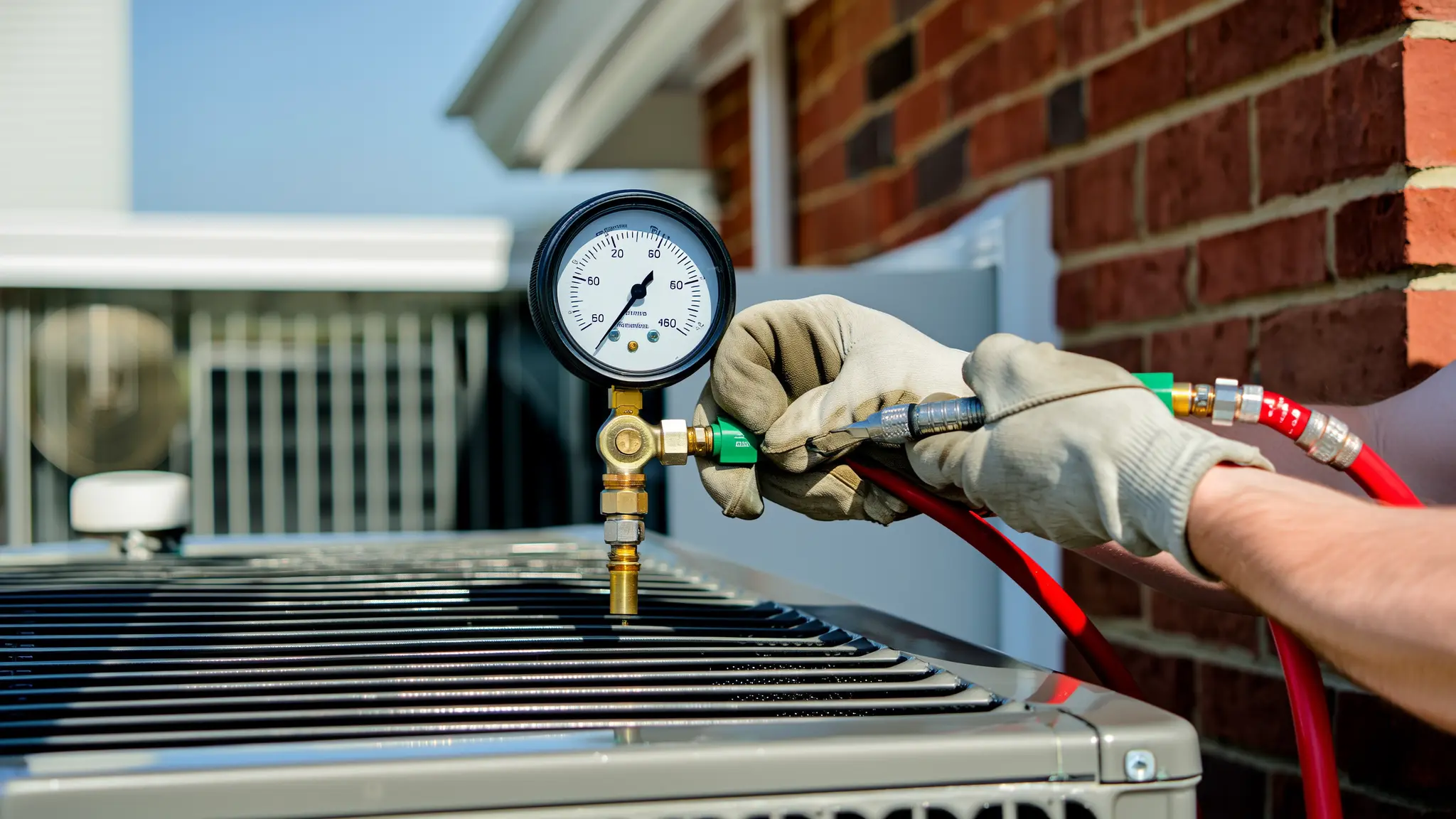
Heat pump installs run comparable to quality AC replacements — typically mid four figures into five figures depending on size, efficiency tier, and duct condition. Qualifying high-efficiency units can take federal 25C tax credits, and some local utilities add rebates on top.
You'll get both numbers — heat pump and conventional — quoted before anything is ordered. If dual-fuel or a mini-split is the better fit for your layout, you'll hear that instead. The network rule is the same everywhere: price first, pressure never.
More in Bee Cave
One short form. A vetted Bee Cave pro. A price before the work.
Get a fast quote