
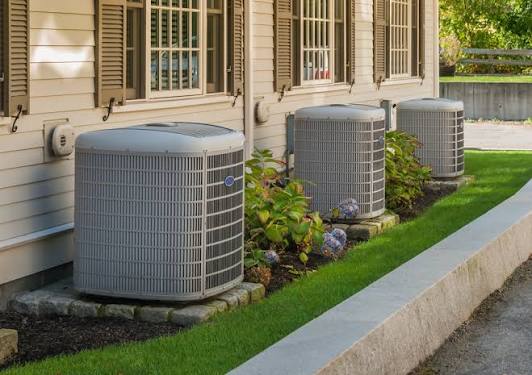
Replacing an air conditioner in Bee Cave in 2026 means shopping the most expensive AC market in recent memory with some of the biggest residential heat loads in the metro — and doing it, ideally, before the system makes the decision for you in August. The metro's honest center is $6,500–$8,500 installed for a mid-efficiency 3-ton system; Bee Cave's larger builds routinely need 4–5 tons or run multiple systems, which puts many local projects in the $8,000–$14,000-per-system range once efficiency tier and site realities are priced in. Here's where the money goes, what changed this year, and how to buy like someone who's read a hundred quotes.
| Scenario | Typical installed cost |
|---|---|
| Basic like-for-like swap, 2.5–3 ton, minimum efficiency | $4,400–$6,500 |
| Mid-efficiency 3-ton system (metro benchmark) | $6,500–$8,500 |
| Mid-efficiency 4–5 ton (common Bee Cave size) | $7,500–$10,500 |
| High-efficiency / variable-speed 4–5 ton | $10,000–$14,000+ |
| Full HVAC system (AC + furnace or air handler) | $8,500–$16,500 |
| Add: duct repair or replacement | +$1,500–$5,500 |
| Add: electrical/panel upgrades | +$500–$2,000 |
Tonnage is the base-price driver, and Bee Cave's mix of 3,000–5,000+ square-foot homes, tall ceilings, and west-facing view glass pushes load calculations up fast. Insist on an actual Manual J load calculation rather than "same size as the old one" — oversized systems short-cycle, cool clammy, and die young, and the west-of-620 temptation to oversize "because of the sun" is exactly how it happens. The right answer to western glass is usually a properly sized variable-speed system, not a bigger single-stage one.
Every new residential AC in 2026 ships on R-454B refrigerant — the lower-global-warming-potential successor to R-410A — and the two don't mix. Three practical consequences: matched systems are now the norm (new condenser plus compatible indoor coil, so the cheap condenser-only swap is effectively extinct); the transition added roughly $500–$1,000 to equipment costs across every brand and every quote, not just the one in your hand; and the cost of keeping an old system alive is rising in parallel, as R-410A gets scarcer each season and R-22 is already in punitive territory. The transition simultaneously raised the price of replacing and of not replacing — which is why system age now matters more than any other variable in the decision.
Beaver matches Bee Cave homeowners with licensed, vetted install pros who quote the full price — equipment, labor, code items — before any work starts. Free, no obligation.
Texas's floor is 15.2 SEER2 — nothing lower can legally go in. Bee Cave's April-through-October cooling season makes the step to 16–17 SEER2 (typically +$800–$1,500) a reliable decade-scale payback. The 18+ SEER2 variable-speed tier costs several thousand more and sells on different merits: tighter temperature holds across two-story great rooms, meaningfully better humidity removal (a real quality-of-life difference in Hill Country summers), and dramatically quieter operation — which matters when the condenser sits outside a primary-suite window or under an outdoor-living area, as Bee Cave layouts love to arrange. Ten-year horizon: mid-tier is the value play. Selling in three: code minimum is honest economics.
One sizing sanity check unique to view homes: if a room with big western glass has never been comfortable, say so during the load-calc visit. Sometimes the fix is equipment; just as often it's a supplemental mini-split for that zone, solar screens, or duct rebalancing — all cheaper than upsizing the whole system to chase one hot room.
Bee Cave's defining replacement question isn't which brand — it's sequencing. Most homes here run two or three systems installed the same construction year, which means they age out together. The playbook: stagger replacements as each system hits its wall, in shoulder season, so you never negotiate a double emergency in August. Replace the hardest-working system first — usually the one serving west-facing living space — and let the newer equipment's performance inform the next round's choices. The exception worth knowing: if every system is 14+ years old, a negotiated multi-system package in October can genuinely beat two or three separate purchases, because crews amortize mobilization across units and you amortize leverage across the whole job. What never wins: replacing a healthy 8-year-old system "while we're here." That's a sales line, not a strategy.
Line-by-line literacy: permits are real — Bee Cave and the surrounding jurisdictions require them, and skipping permits is volunteering for resale headaches. Code items are real: float switches, surge protection, disconnects, pad replacement — cheap insurance, commonly required. Duct work is the honest wildcard at $1,500–$5,500: long runs through hot attics above three-car garages lose real capacity, but the line item should come with evidence — photos, static-pressure or leakage numbers — not vibes. Electrical upgrades ($500–$2,000) surface when panels already loaded with pool equipment, EV charging, and outdoor kitchens meet new equipment. The padding, when present, lives in vague "miscellaneous materials" and inflated extended-warranty lines — ask what each buys, and grade the specificity of the answers.
The framework from our repair cost guide: repair quote times system age past $5,000–$6,000 means price a replacement. The 2026 overlays: R-22 systems facing sealed-system work are near-automatic replacements; 12+ year R-410A systems facing compressors usually are. And heat pumps deserve a serious look here — mild Hill Country winters mean a heat pump can replace AC and most heating duty for a modest premium over a straight swap, with federal incentives recently favoring exactly that choice. If the air handler or furnace is also original, run the comparison before signing anything.
A standard changeout is a one-day job per system for a two-person crew: recover the old refrigerant (legally required), pull condenser and coil, set the new pad and condenser, install the matched indoor unit, braze and pressure-test the line set with nitrogen, pull a deep vacuum — the step whose shortcut quietly kills new equipment in year two — then weigh in the charge to spec and commission the system with measured temperature split, static pressure, and amp draws. You should end the day with a permit on file, commissioning numbers on the invoice, and warranty registration paperwork. On Bee Cave's multi-system homes, a two-system job is typically two days, not one heroic one — crews that promise otherwise are usually planning to skip the steps you can't see.
Financing footnote: 0%-for-12-months offers are common and legitimate, but compare cash versus financed price explicitly — some quotes bake the financing cost in. And ask every bidder what current utility or federal incentives apply, especially on heat pumps; an installer who doesn't know the incentive landscape cold is telling you something about the currency of the rest of their knowledge.
October through March is the buyer's market — open calendars, real promotions, three quotes gathered without sweating. An emergency replacement during a 105° stretch is the most expensive way to buy this equipment: no leverage, no comparison time, premium pricing for the crew that can come tomorrow. Make quotes comparable — same tonnage from a real load calc, same tier, same scope, matched system, code items and duct work priced separately — and get the total installed price in writing with both warranties spelled out (10-year registered parts is standard; 1–2 years labor, longer is a differentiator). Then compare totals, not brand mystique: installation quality determines more lifespan than the badge does. Our Bee Cave company shortlist is a starting point, or let Beaver match you with a vetted install pro who quotes the whole number up front. Bottom line: $6,500–$8,500 is the metro center, Bee Cave's size and glass push most projects above it, and the two costliest mistakes remain the heat-wave panic buy and the brand-over-installer buy. Avoid both and the five-figure quote becomes a fifteen-year answer.