
Bee Cave is a hard place to be a water heater. The corridor's mineral-heavy supply scales tanks years ahead of schedule, the housing stock's multi-bath demand works everything harder, and the big-home norm of two or three heaters means the replacement question arrives in multiples. The upside: this market has bred genuine specialists — treatment-focused shops and tankless veterans who treat the water as the first fact of every install. Here's the 2026 shortlist of who to call, what the job should cost, and how to keep the next heater from dying the same mineral death as the last one.
This is editorial research, not advertising: no company paid to appear here, and none were contacted for placement. Beaver A.C. & Plumbing is a referral service, not a contractor, so we're deliberately unranked and excluded. Ratings drift week to week, so we describe durable reputations rather than quoting stars that stale by the month. Verify current reviews and the license on your paperwork before hiring anyone — including anyone we match you with.
The treatment-first specialist — five-star-caliber, focused entirely on heaters, softeners, and water quality across the west metro. In a corridor where every heater conversation is secretly a water conversation, the shop that leads with chemistry is the natural first call.
The Lake Travis-area shop whose reviews consistently single out exactly this page's subject: tankless installs and softener work, done well, close to home. For the corridor's signature project — the tankless-plus-treatment conversion — Proverbs is the focused local option.
The RMP-owned neighborhood veteran with the corridor's floor plans in living memory. For straightforward tank swaps and the trusted-relationship version of this purchase, the local default — covered at length in our Bee Cave plumber shortlist.
The responsiveness pick: same-day and emergency availability across Bee Cave, Lakeway, and southwest Austin, with water heaters in the core lineup. When the garage is already wet, posture beats pedigree.
The dual-trade, walkthrough-style outfit — techs who narrate the diagnosis and show their work. On heater installs that style surfaces as explained code items and demonstrated settings rather than a mystery invoice.
The metro heavyweight (4.7-caliber across thousands of reviews, Best Pick Reports) whose electrical bench matters on the corridor's growing heat-pump water heater and electric-conversion projects — one crew, both licenses, no scheduling relay.
The all-brands institution with the 100% satisfaction guarantee. All-brands matters here: the recommendation follows your house's gas sizing, vent path, and closet reality rather than a distributor's quota.
| Company | Focus | Known for | Service area |
|---|---|---|---|
| Cold Is On The Right | Heaters & softeners | 5-star-caliber treatment focus | Austin & west metro |
| Proverbs Plumbing | Heaters, tankless & softeners | Reviewer-praised tankless work | Lakeway & Lake Travis area |
| Lakeway Plumbing | Full-service residential | RMP-owned local veteran | Lakeway, Bee Cave, Westlake, Spicewood |
| Proficient Plumbing Solutions | Repairs, heaters, emergency | Same-day availability | Bee Cave, Lakeway & SW Austin |
| Air & Plumbing Today | HVAC + plumbing | Walkthrough-style service | Austin metro incl. Lakeway |
| Stan's | Full-service multi-trade | 4.7/5, thousands of reviews | Greater Austin metro |
| Fox Service Company | Plumbing, HVAC & electrical | All-brands; satisfaction guarantee | Austin metro |
Tell us tank or tankless and when it died. Beaver matches Bee Cave homeowners with a licensed, vetted installer — free, full price quoted before any work starts.
Conventional tank replacement: $1,500–$3,500 installed, with capacity, fuel, and code catch-up (expansion tanks, pans, venting corrections) as the honest variables. Tankless conversion: commonly $3,500–$6,500+, driven by gas-line upsizing and vent routing — the corridor's big-home gas infrastructure sometimes helps, sometimes doesn't; only a site visit knows. The multi-heater wrinkle: Bee Cave's two- and three-heater homes should sequence like their AC systems — replace as each ages out, in planned windows — but when two units share an install year and a birthday, ask for simultaneous-replacement pricing; crews amortize the trip and you amortize the leverage. Heat-pump water heaters: higher upfront, dramatically cheaper monthly, frequently incentive-eligible, and well-suited to the corridor's garages; they want space, condensate drainage, and occasionally circuit work. Permits: required, in the quote, no exceptions worth entertaining.
Corridor water shortens tank life from the brochure's 12–15 years to a local 8–12, and it does its tankless damage through scaled heat exchangers and error codes. The counters: annual flushes (cheap, skipped, worth years), annual descales for tankless, and the softener — which out here isn't an accessory to a tankless conversion, it's the other half of it. Run the arithmetic across a multi-heater house and the treatment system routinely pays for itself in deferred replacements alone, before counting fixtures, appliances, and the home espresso situation. The full argument lives in the softener guide; the short version is that in Bee Cave, buying a heater without discussing water is buying half a solution.
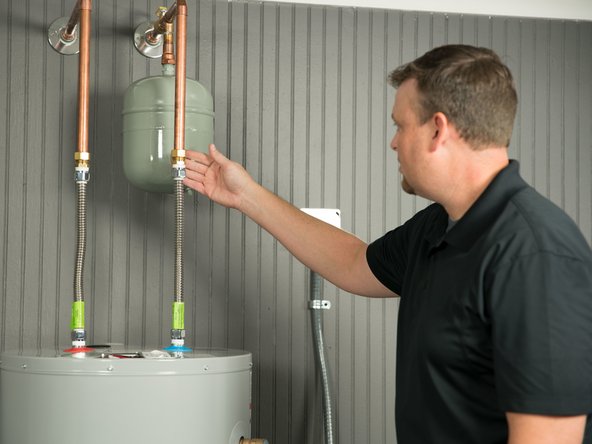
The visible competence checklist: old unit drained and hauled cleanly; new unit level on a code pan with the drain routed sensibly (attic installs — common in corridor floor plans — demand the pan-and-float-switch conversation, since the heater's failure mode is your ceiling's problem); expansion tank installed and pressurized to your actual static pressure, which on the corridor's hillside lots runs high enough that the PRV check belongs in the same visit; gas leak-tested or electric torqued and labeled; venting verified; temperature demonstrated at a scald-aware setting; permit and warranty registration in hand at the end. Tank swaps run 2–4 hours; conversions run the day. The attic-install crews that skip the drain-pan conversation are the ones funding the corridor's drywall contractors.
Timing note, same as every corridor purchase: heaters past year eight in this water, showing rusty drain-valve water or popping sediment sounds, are in the replacement window now — and the planned-weekend version of this purchase, with three matched quotes, beats the emergency version by four figures and a wet garage. Incentives shift too; ask every bidder what currently applies to heat-pump units, and grade the specificity of the answer.
Two corridor-specific upsells that aren't upsells. Recirculation: in 4,000-square-foot floor plans, the primary-suite hot-water wait is a plumbing-design problem, and a recirc loop or retrofit pump solves it for real — worth quoting alongside any replacement. Smart leak detection: auto-shutoff valves and sensor pucks turn the away-weekend heater failure from an insurance claim into a text message; on second homes and travel-heavy households, it's the best money on the invoice. The plumber shortlist covers the broader trade — but for this purchase, the shortlist above plus one planned weekend beats every version of the flooded-garage story. Or skip the calls: one form to Beaver, and a licensed, vetted installer arrives with the full price already in writing.